What is it?
An AWS resilience architecture proof of concept assesses whether a proposed target design can provide a credible foundation for future resilience capabilities. It deploys a representative environment close enough to evaluate technical and operational feasibility, without treating the exercise as proof that production recovery already works.
Habari needed a structured way to assess service relationships, operating requirements, security controls and cost considerations before making a broader production commitment. The work had to produce useful evidence without changing or migrating the existing production environment.
Use this approach when a proposed AWS architecture needs evidence before production adoption, when service dependencies and architectural risks should be identified early, or when architecture validation should be separated from backup and recovery testing.
Why it matters
Risks
- Treating a diagram as proof of resilience hides unanswered questions about dependencies, ownership, monitoring and encryption until implementation or an incident forces them into the open.
- Mixing architecture assessment with untested recovery claims creates a weak evidence trail and can present architectural confidence as recoverability before backup and recovery tests exist.
Costs
- Committing to a broader production implementation without a representative assessment can lock in service choices, standby capacity and operating overhead that later prove expensive to unwind.
- A cost-conscious non-production POC reduces uncertainty before funding deeper resilience engineering.
Operational impact
- Application, database, object storage, cache, monitoring and security controls only make sense when reviewed together. Assessing each AWS service in isolation misses the relationships that matter in operation.
- Access control, encryption, logging and ownership decisions shape whether a design can be run safely even before recovery testing begins.
Strategic impact
- Separating architecture validation from backup and recovery testing creates clearer scope, ownership and success criteria for each phase.
- Decision-ready findings and a defined second POC give leadership a practical roadmap instead of an open-ended resilience programme.
How KineticSkunk completed the Habari resilience architecture POC
Discover the requirements and constraints
- KineticSkunk and Habari reviewed the proposed target architecture, workload requirements, dependencies, risks and operational priorities.
- This established what the first POC needed to assess and what would be deferred to a later validation phase focused on backup and recovery.

Build a representative AWS environment
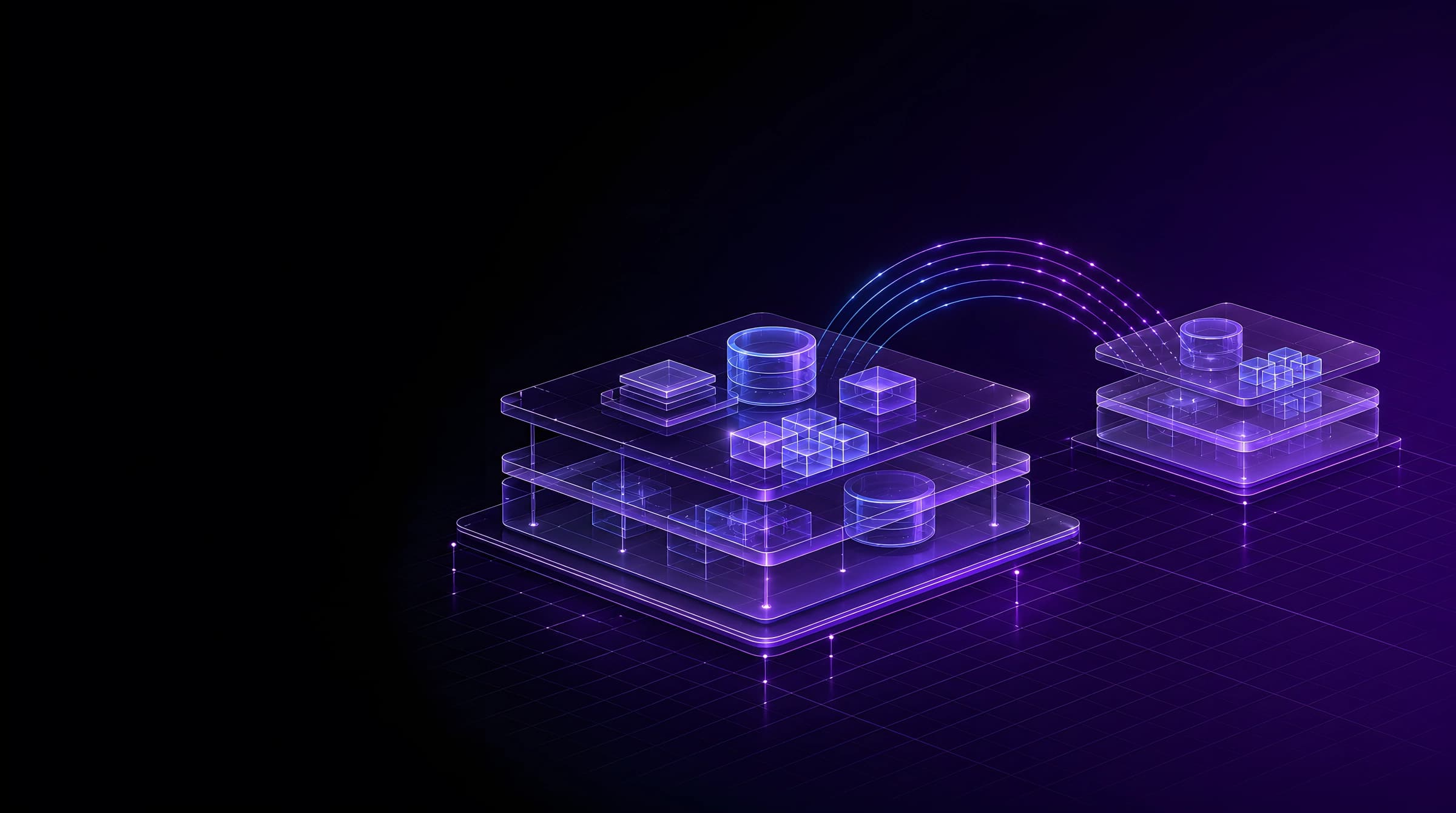
- KineticSkunk deployed a cost-conscious, non-production environment designed to reflect the target architecture sufficiently for architectural assessment.
- The work did not require migration or modification of Habari's existing production platform.

Assess the architecture as a connected system
- The representative design evaluated how an Application Load Balancer, Amazon ECS with AWS Fargate, Amazon Aurora Serverless v2, Amazon S3, Amazon ElastiCache for Redis, Amazon CloudWatch, AWS Identity and Access Management and AWS Key Management Service could work together.
- Cross-Region and warm-standby patterns were considered at an architectural level. Their backup, restore and recovery behaviour was not tested in this first POC.

Document findings and the next validation stage
- KineticSkunk consolidated architecture observations, risks and recommendations into decision-ready outputs.
- The engagement established the foundation for a second POC in which backup and recovery capabilities can be implemented and tested as a distinct validation exercise.

Keep architecture confidence separate from recoverability claims
- The value of the first POC was not a claim that recovery had already been proven. It was the creation of a sound, reviewed foundation from which backup and recovery could be tested deliberately in the next phase.
- Until that second POC is completed, published outcomes should not claim specific recovery times, recovery points, restore success or tested failover.
Common mistakes
Treating a resilience diagram as implementation evidence
Consequence: Teams assume services will work together while dependencies, permissions, monitoring and operating ownership remain untested assumptions.
Avoidance: Assess the proposed design in a representative environment and document what was reviewed, what remains open and what must be validated next.
Presenting architecture assessment as proof of recoverability
Consequence: Stakeholders hear confidence about resilience while backup, restore and failover have not been implemented or tested.
Avoidance: Separate architecture validation from backup and recovery testing, and publish only claims that match completed work.
Assessing AWS services in isolation
Consequence: Application, data, networking, cache, monitoring and security gaps stay hidden until the design is operated as one system.
Avoidance: Review the connected design, including cost and governance considerations, before committing to production adoption.
Changing production to learn whether a design is feasible
Consequence: Exploration risk lands on the live platform before the architecture has been assessed as a controlled exercise.
Avoidance: Use a representative non-production environment and document where it differs from production.
Best practices
- Define what the architecture POC must assess and what is deferred to a later backup and recovery POC.
- Use a representative, cost-conscious, non-production environment that reflects the target design closely enough for assessment.
- Review application, data, storage, cache, networking, monitoring, identity, encryption, governance and cost together.
- Document dependencies, assumptions, risks and decision-ready recommendations.
- Keep published claims aligned with completed work. Reserve recovery-time, recovery-point, restore and failover outcomes for a later POC that has actually tested them.
- Agree the second POC scope separately, including backup configuration, restore scenarios, evidence requirements and measurable objectives.
How to get started
- Inventory the proposed target architecture, workload requirements, dependencies and current operating constraints.
- Agree which questions belong in an architecture POC and which belong in a later backup and recovery POC.
- Build a representative non-production AWS environment that is close enough to assess feasibility without changing production.
- Assess the connected design across application, data, monitoring, security, governance and cost.
- Document findings, open risks and prioritised recommendations for the next phase.
- Define the second POC around backup and recovery implementation, controlled tests and evidence capture.
If the immediate pressure is whether a proposed AWS design is coherent enough to fund, start with architecture validation. If the pressure is proving restore and recovery behaviour, that needs a separately scoped backup and recovery engagement.
How KineticSkunk helps
KineticSkunk helps organisations assess AWS architectures, identify the next validation priority and turn findings into a practical resilience roadmap without overstating what has been proven.
Habari left the engagement with an assessed reference architecture, clearer visibility of dependencies and risks, documented recommendations and a defined second POC focused on backup and recovery.
If you need to validate an AWS resilience architecture before deeper backup and recovery work, talk to KineticSkunk. Explore AWS Resilience Testing and Assurance or AWS partner services for related support.
Frequently asked questions
Build a representative non-production environment and assess the application, database, storage, networking, monitoring, security and cost model as one connected design. Document dependencies, risks and design decisions first. Backup implementation and recovery testing can then follow in a separately scoped POC with their own evidence and success criteria.
Yes. An architecture POC can establish technical feasibility, clarify service relationships and identify operational requirements without claiming successful restoration or failover. The published outcome must state exactly what was assessed and reserve recoverability claims for a later test phase.
The split creates clearer scope and stronger evidence. The first POC assesses whether the target design is coherent and identifies prerequisites. The second implements backup and recovery capabilities, executes controlled tests and measures the results. This avoids mixing architectural confidence with unproven recovery performance.
It should review workload requirements, architecture dependencies, application and data services, networking, observability, identity, encryption, governance, operating responsibility and estimated cost. The output should explain what was assessed, which risks remain and what needs to be validated next.
Amazon ECS on AWS Fargate can run containerised application services, Aurora Serverless v2 can support relational workloads and Amazon S3 can provide object storage. Their resilience depends on configuration, dependencies, routing, permissions, encryption, observability and operating procedures. An architecture POC assesses these relationships before recovery behaviour is tested.
Reviewing the design assesses whether the proposed services, dependencies, capacity model, security controls and operating approach are credible. Testing recovery requires the standby capability to be implemented and exercised under controlled scenarios. Only the second activity provides evidence of actual recovery behaviour.
You can publish assessed architecture scope, identified dependencies, operational findings, documented recommendations and the decision or roadmap enabled by the work. Keep backup, restore, failover, RTO and RPO outcome claims out of publication until those capabilities have been implemented, tested and approved for publication.